
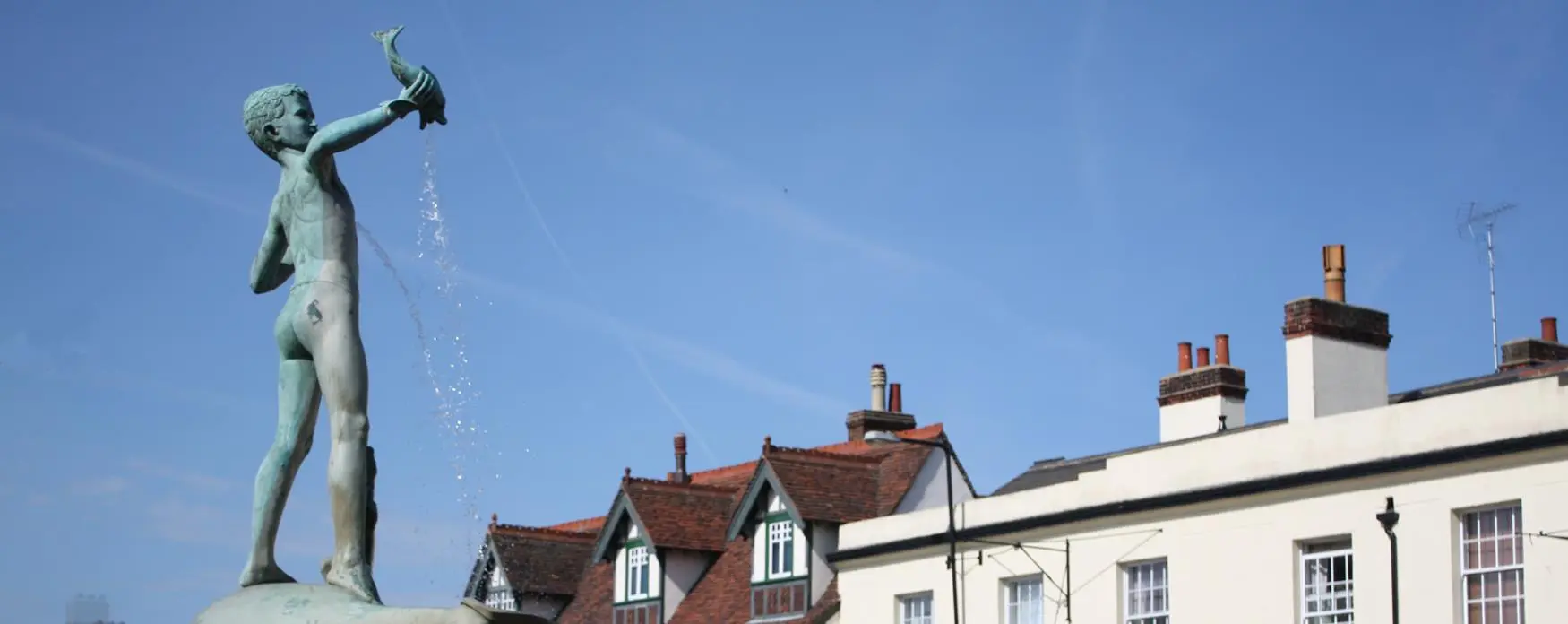
Located in north Essex, Braintree, Essex is a town whose economy has been shaped by centuries of change, adaptation, and continuity. From its origins as a small settlement near the River Brain to its role today as the largest urban centre in the Braintree District, the town's commercial life reflects broader economic trends in England while maintaining a strong local identity.
Braintree's economy has never relied on a single activity. Instead, it has developed through a combination of agriculture, markets, textile manufacturing, industrial production, retail, and services. This layered economic structure has allowed the town to adapt to historical disruptions, industrial transitions, and modern shifts in consumer behaviour.
This article offers an in-depth, informative overview of Braintree's economy, industry, and commerce. It explores how historical trade laid the foundations for modern activity, how markets and retail areas function today, and how industrial estates and infrastructure continue to support employment and growth.
Origins of Trade and Economic Activity
Early Settlement and Strategic Location
Braintree's economic story begins long before written records. Archaeological evidence shows settlement in the area during the Bronze and Iron Ages, particularly along the fertile Brain Valley. The Roman invasion further enhanced the area's importance when two Roman roads intersected nearby, encouraging the growth of a settlement that benefited from movement of people and goods.
Although Roman occupation eventually ended, the infrastructure they left behind continued to influence settlement patterns. One of these routes later became known as Stane Street, a name that survives today and reflects the continuity of transport and trade in the area.
Medieval Markets and the Growth of Commerce
The granting of a market charter in 1190 marked a decisive moment in Braintree's economic development. Official recognition as a market town placed Braintree on the regional trading map, allowing it to host regular markets that drew producers and buyers from surrounding villages.
These markets supported the exchange of agricultural produce, livestock, tools, cloth, and everyday goods. They also reinforced Braintree's role as a service centre, where people came not only to trade but also to attend legal, religious, and administrative activities. This dual economic and social function remains visible in the town's layout today.
Textile Production and Industrial Heritage
Wool and Flemish Influence
From the 14th century onward, Braintree became known for wool processing and cloth production. This industry expanded significantly in the early modern period, particularly with the arrival of Flemish immigrants in the 16th and 17th centuries. These skilled weavers introduced improved manufacturing techniques that raised the quality of locally produced cloth and increased demand beyond England.
Textiles produced in and around Braintree were exported to European markets, including Spain and Portugal, bringing prosperity to the town and embedding manufacturing into its economic identity.
Silk and the Courtauld Legacy
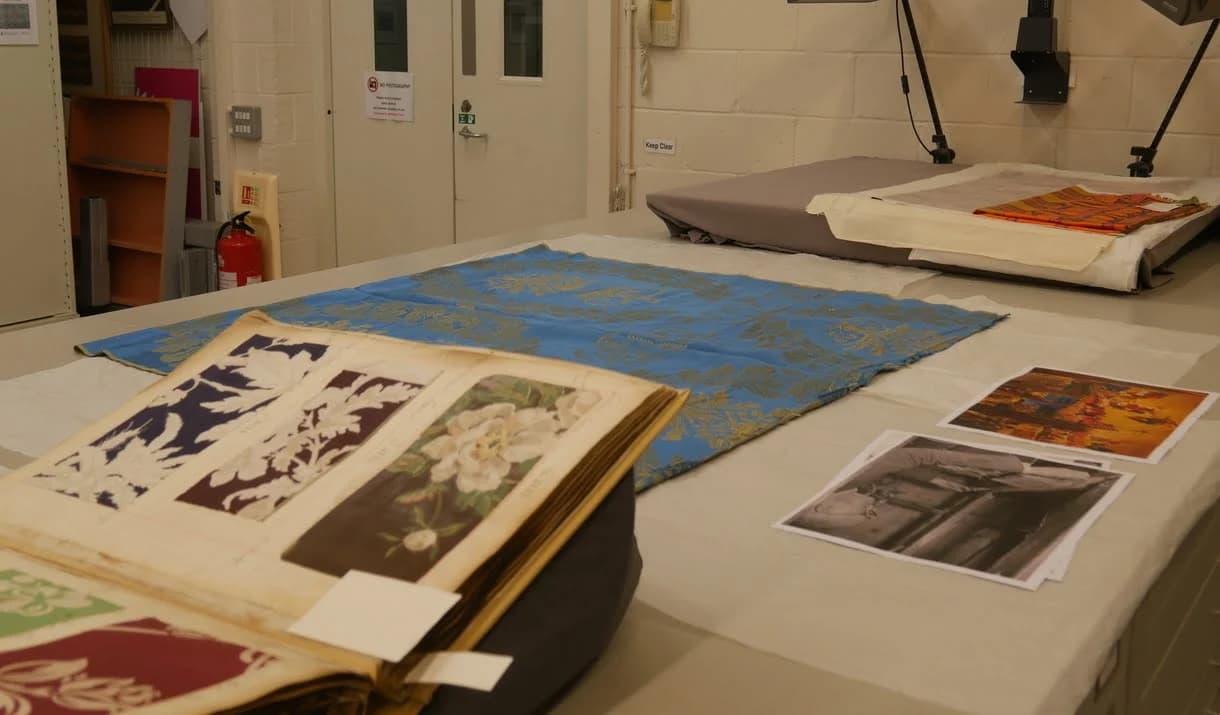
By the early 19th century, the wool trade declined, but Braintree adapted once again. The establishment of silk mills, most notably by George Courtauld, transformed the town into a centre for silk manufacturing. Companies such as Courtaulds and Warner & Sons became major employers, shaping the town's workforce, housing patterns, and public infrastructure.
The influence of the Courtauld family extended beyond industry. Their support for public buildings, gardens, and institutions helped shape Braintree's civic life, leaving a lasting imprint that is still visible in the town's architecture and cultural institutions.
The Traditional Town Centre and High Street
Market Square, Bank Street, and the High Street
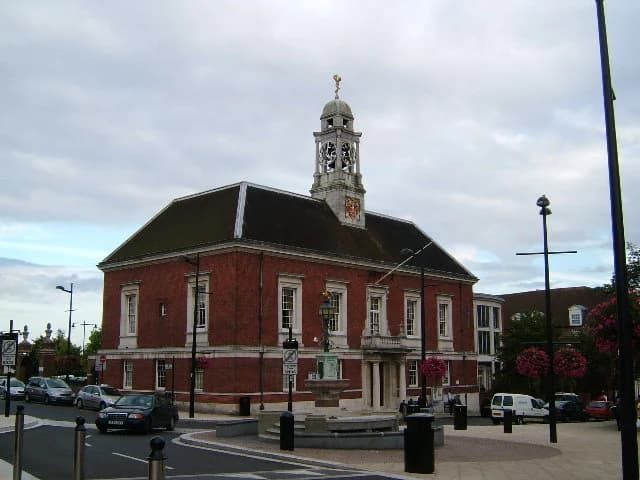
At the heart of Braintree's commercial life lies its traditional town centre, focused on Market Square, Bank Street, and the High Street. This area has functioned as the town's main retail and trading zone for centuries.
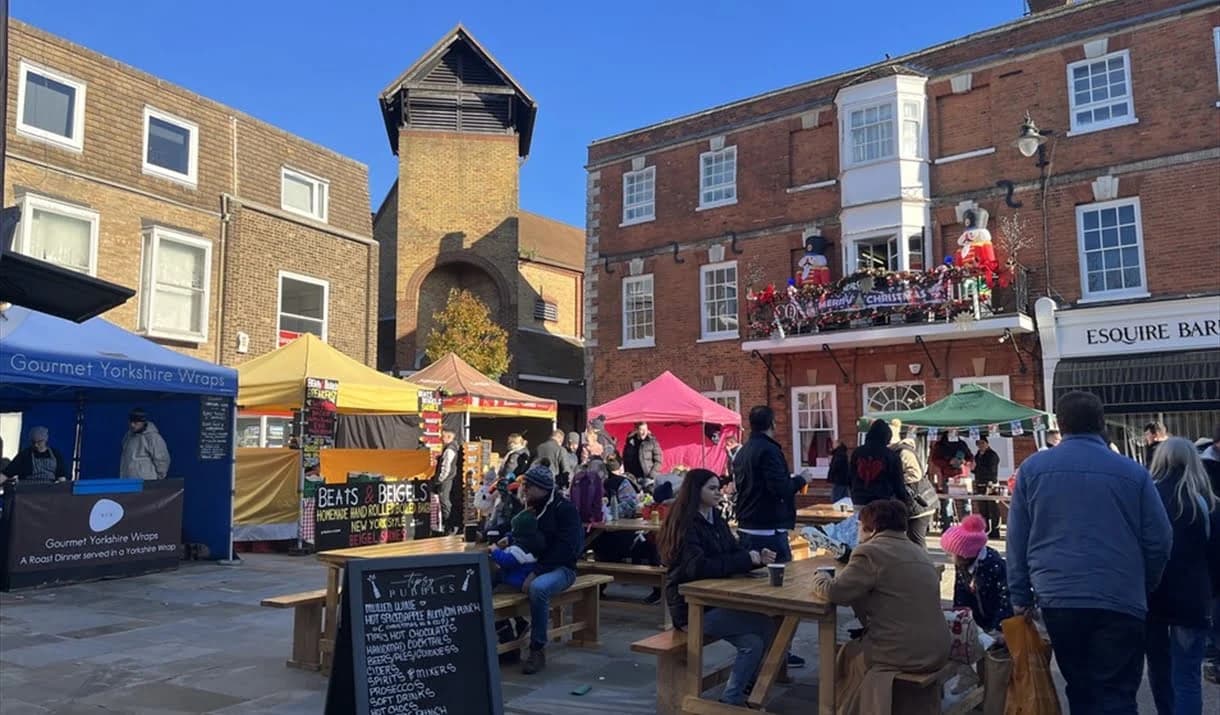
Market Square, located beside the Town Hall, remains the focal point for weekly markets held on Wednesdays and Saturdays. These markets continue a tradition that dates back more than 800 years, offering fresh produce, food, clothing, household items, and specialist goods.
Bank Street and the High Street extend this commercial core, hosting a mix of independent shops, national chains, cafés, and professional services. Together, these streets form a compact and walkable retail environment that serves both residents and visitors.
Pedestrianization and Its Impact
The full pedestrianization of Braintree High Street in 2020 marked a significant change in how the town center functions. Previously restricted mainly to buses, the street became entirely pedestrian, reflecting a shift toward people-focused urban design.
This change has supported the local economy in several ways:
- Creating a safer and more pleasant shopping environment
- Encouraging longer visits and increased footfall
- Allowing greater flexibility for outdoor seating, events, and markets
While high streets across the UK have faced challenges from online retail and changing habits, Braintree's town center has benefited from a strong mix of local businesses, services, and community uses.
Markets in Contemporary Braintree
Continuity of a Long Tradition
Braintree's markets remain a defining feature of its economy. Unlike in many towns where markets have declined, Braintree's continuing to operate regularly and attract consistent footfall.
Modern market traders often focus on fresh food, affordable goods, and locally produced or niche items. This approach allows the markets to complement permanent shops rather than compete directly with them.
Economic and Social Importance
Beyond their commercial role, the markets contribute to:
- Supporting small traders and sole entrepreneurs
- Drawing visitors from surrounding villages
- Reinforcing Braintree's identity as a traditional market town
They also serve as social spaces where residents meet, reinforcing the connection between commerce and community life.
Braintree Village and Destination Retail
Development of an Outlet Centre
On the outskirts of the town, Braintree Village, formerly known as Freeport, represents a different model of retail development. Designed as a designer outlet village, it brings around 90 retail units offering branded goods at discounted prices.
This form of destination retail has proven resilient, attracting visitors from across Essex, London, and the wider Southeast.
Economic Role and Connectivity
Braintree Village plays a significant role in the local economy by:
- Providing employment across retail, hospitality, and management
- Attracting visitors who may also travel into the town center
- Benefiting from its own railway station, Braintree Freeport, which improves accessibility
Rather than replacing the town center, Braintree Village functions as a complementary commercial hub, broadening the town's retail offer.
Industrial Estates and Employment Areas
Key Industrial Locations
Braintree's economy is supported by several industrial estates located around the town, including:
- Springwood Industrial Estate
- Park Drive Industrial Estate
- Broomhill's Industrial Estate, off Pod's Brook Lane
These areas accommodate a wide range of businesses, from manufacturing and engineering to warehousing, logistics, and service-based operations.
From Heavy Industry to Modern Enterprise
Historically, large employers such as Courtauld's and Crittall's dominated Braintree's industrial landscape. While heavy industry has declined, the town has successfully transitioned toward a more diverse industrial base.
Today's industrial estates support:
- Small and medium-sized enterprises
- Regional distribution and logistics
- Skilled trades and specialist manufacturing
This diversity contributes to economic stability and employment resilience.
Transport and Economic Connectivity
Road Infrastructure
Braintree is bypassed by the A120 and A131 roads, providing efficient connections to Chelmsford, Colchester, Stansted Airport, and the wider Essex road network. These routes are essential for:
- Commuting and workforce mobility
- Distribution and supply chains
- Access to regional markets
Rail Connections
The Braintree Branch Line connects the town to Witham, linking it to mainline services toward London and East Anglia. Rail access supports daily commuting, retail tourism, and business travel, reinforcing Braintree's role as a connected regional center.
Services, Small Businesses, and Local Enterprise
Independent businesses form a core part of Braintree's economy. Professional services, hospitality venues, tradespeople, and small retailers serve both the town's population and surrounding rural areas.
These businesses contribute to:
- Local employment
- Economic circulation within the community
- The distinctive character of the town center
Local governance, through Braintree District Council, plays a role in planning, regeneration, and economic development, shaping the environment in which businesses operate.
Commerce and Community Life
Economic activity in Braintree is closely tied to cultural and social life. Events such as local carnivals, performances, and community gatherings increase footfall and support local businesses. Retail and market spaces often function as social hubs, reinforcing the town's sense of place.
This integration of commerce and community has helped Braintree maintain a lively town center and a balanced local economy.
Challenges and Future Directions
Like many towns, Braintree faces ongoing challenges, including changing retail habits, rising costs for small businesses, and the need for sustainable development. However, its diverse economic base offers opportunities for adaptation.
Future growth may focus on:
- Strengthening the town center through mixed-use development
- Supporting independent businesses and local markets
- Enhancing sustainable transport and infrastructure
- Encouraging balanced industrial and commercial growth
Braintree's economy is the result of centuries of continuity and change. From medieval markets and textile production to modern retail destinations and industrial estates, the town has repeatedly adapted to new economic realities while preserving its core identity.
Today, Braintree stands as a multifaceted economic center within Essex, one where history, commerce, industry, and community remain closely interconnected. This balance between tradition and adaptation continues to shape the town's role in the region and its prospects for the future.
References
- Braintree District Council. (2021). Census 2021: Community, health and wellbeing. https://www.braintree.gov.uk/community-health-wellbeing/census-2021
- Greater Anglia. (n.d.). Braintree Freeport railway station information. https://www.greateranglia.co.uk/travel-information/station-information/btp
- Historic England. (n.d.). Historic environment records and industrial heritage. https://historicengland.org.uk
- Met Office. (2023). Climate averages for Andrewsfield Aerodrome (1991–2020). https://www.metoffice.gov.uk/research/climate/maps-and-data/uk-climate-averages
- Office for National Statistics. (2022). Census 2021 profile: Braintree local authority. https://www.ons.gov.uk/visualisations/censusareachanges/E07000067/
- Tripadvisor. (n.d.). Braintree Village. https://www.tripadvisor.com/Attraction_Review-g503772-d2307231-Reviews-Braintree_Village-Braintree_Essex_England.html
- Warner Textile Archive. (n.d.). The Warner Textile Archive. https://warnertextilearchive.co.uk/
- Warner Textile Archive. (n.d.). Warner & Sons collection at Braintree Museum. https://warnertextilearchive.co.uk/visit-us/braintree-museum/